

Living in Santa Ana means dealing with warm summers and mild winters, which makes attic insulation an important part of keeping a home comfortable and energy efficient. Without the right insulation, cooling systems work harder, and energy bills rise quickly. The best attic insulation types for Santa Ana homes are blown-in fiberglass, cellulose, spray foam, and radiant barrier insulation, each offering specific benefits for the local climate.
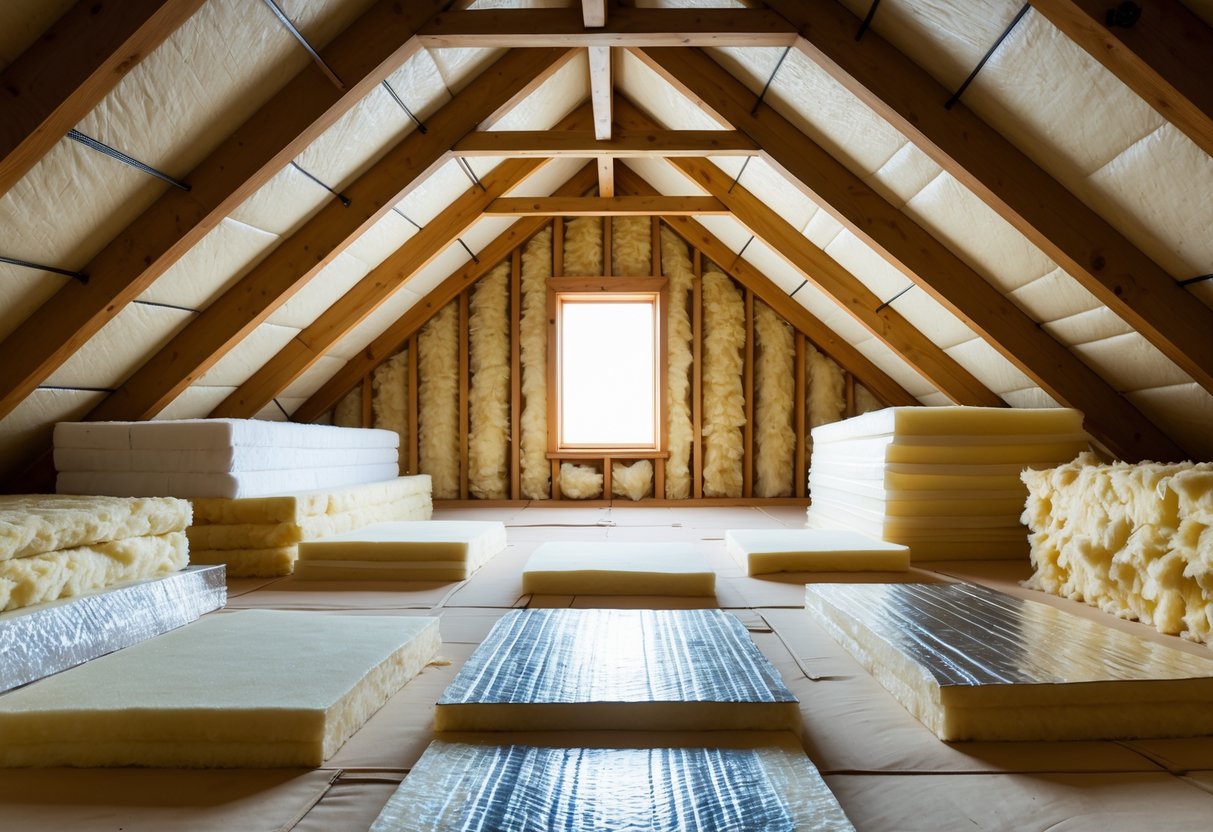
Blown-in fiberglass and cellulose help fill gaps and provide solid thermal protection, while spray foam adds excellent air sealing for tighter spaces. Radiant barriers stand out in sunny areas like Santa Ana because they reflect heat and reduce attic temperatures, lowering cooling costs. Choosing the right type depends on the home’s design, budget, and energy efficiency goals.
Understanding how each option works makes it easier to select insulation that keeps indoor temperatures steady and reduces long-term energy use. With the right choice, homeowners in Santa Ana can enjoy better comfort and lower utility bills year-round.
Key Takeaways
- Proper attic insulation improves comfort and energy efficiency in warm climates
- Different insulation types offer unique benefits for Santa Ana homes
- Selecting the right option depends on home design, budget, and performance goals
Understanding Attic Insulation in Santa Ana
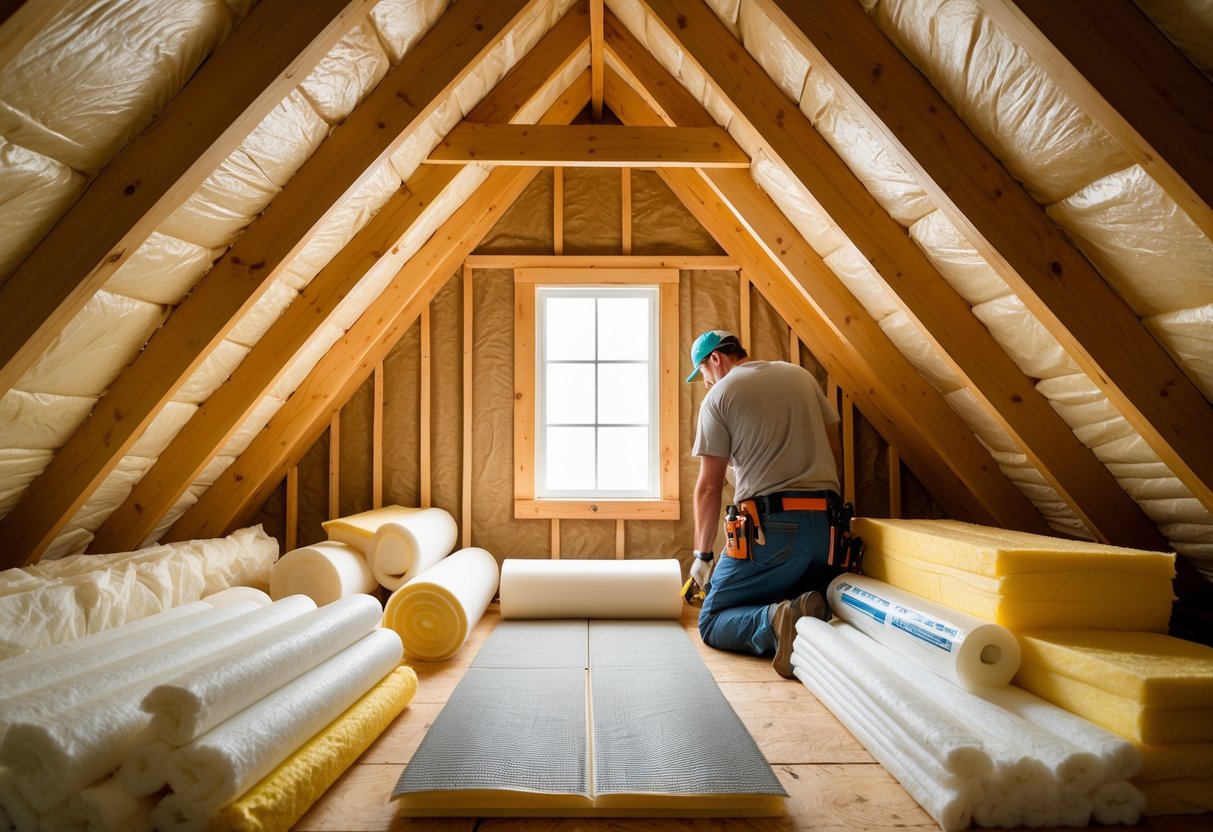
Attic insulation in Santa Ana plays a direct role in how homes handle heat, control energy use, and maintain indoor comfort. The city’s warm climate, mixed housing styles, and older construction patterns make insulation performance especially important for both cost savings and long-term durability.
Why Attic Insulation Matters for Local Homes
Santa Ana experiences long stretches of warm weather, which causes attics to trap significant heat. Without proper insulation, this heat transfers into living spaces, raising cooling costs and stressing air conditioning systems.
Homes in the area also vary widely in age and design. Some older houses may have little or outdated insulation, while newer homes may use materials that are not always suited for the region’s hot summers.
Good insulation helps stabilize indoor conditions and reduces wear on HVAC systems. It also protects roofs and attic structures from moisture buildup, which can occur when temperature differences create condensation. For many homeowners, attic insulation becomes one of the most cost-effective upgrades for improving overall home performance.
Energy Efficiency and Comfort Benefits
Proper attic insulation reduces how much heat enters the home during the day, lowering the need for constant air conditioning. This can cut utility bills, especially in summer when cooling demand peaks.
Insulation also improves comfort by keeping temperatures more consistent across rooms. Homes without enough insulation often have hot upper floors or uneven cooling, which forces residents to adjust thermostats frequently.
The efficiency benefits extend to the HVAC system itself. By limiting heat transfer, insulation reduces the number of hours the system must run. This lowers wear, extends equipment lifespan, and reduces maintenance costs.
In Santa Ana’s climate, materials with higher R-values and options like radiant barriers can provide added protection against heat gain. These choices help balance comfort and energy savings in homes that face year-round sun exposure.
Common Attic Insulation Issues in Santa Ana
Many homes in Santa Ana still have old fiberglass batts or thin layers of blown-in insulation. Over time, these materials settle, compress, or shift, leaving gaps that reduce effectiveness.
Moisture is another concern. Poor ventilation or roof leaks can cause insulation to hold water, leading to mold or reduced R-value. This is especially true for cellulose insulation, which absorbs moisture more easily.
Pest activity is also common in attics, and rodents can disturb or contaminate insulation. Damaged material not only loses performance but can also affect indoor air quality.
Homeowners often face the issue of insufficient depth. In warm climates like Santa Ana, insulation must meet higher R-value standards than what was common decades ago. Adding or upgrading insulation ensures the attic meets current energy efficiency recommendations and prevents wasted cooling costs.
Top Attic Insulation Types for Santa Ana Homes
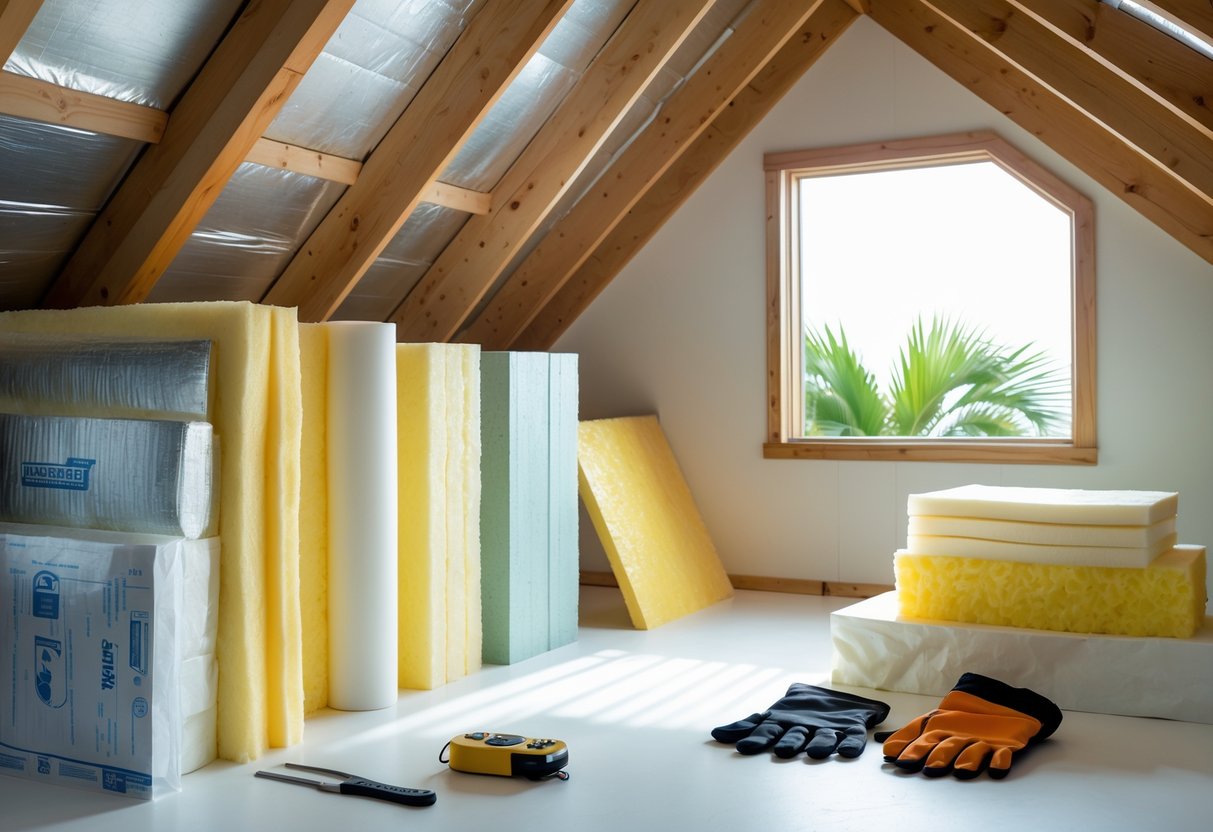
Homes in Santa Ana benefit most from insulation that balances cost, energy efficiency, and performance in warm, dry summers and mild winters. The most practical materials include fiberglass batts, blown-in insulation, and spray foam, each offering different strengths in coverage, durability, and energy savings.
Fiberglass Batt Insulation
Fiberglass batt insulation comes in pre-cut panels that fit between attic joists. Homeowners often choose it because it is affordable and easy to find at local suppliers. It provides reliable thermal resistance and works well in attics with open layouts.
Proper installation is critical. Batts must fit snugly without gaps or compression, or else the insulation loses effectiveness. Protective gear is required because fiberglass can irritate skin and lungs.
Pros:
- Low upfront cost
- Easy to replace or add layers
- Widely available
Cons:
- Less effective in irregular or tight spaces
- Can leave gaps if not installed carefully
This option works best for homeowners who want a straightforward, budget-friendly solution and have attics with few obstructions.
Blown-In (Loose-Fill) Insulation
Blown-in insulation, often made of fiberglass or cellulose, is applied with a machine that spreads material across the attic floor. This method fills small gaps and uneven areas more effectively than batts. It is especially useful for older homes in Santa Ana where attic layouts may be irregular.
Over time, blown-in insulation can settle, which may reduce its R-value. Professional installation is usually recommended since the equipment ensures even coverage.
Pros:
- Excellent for covering irregular spaces
- Provides good air sealing when applied evenly
- Adds insulation over existing layers easily
Cons:
- May settle and lose effectiveness
- Requires special equipment for installation
This type is a solid choice for homeowners looking to improve energy efficiency without removing old insulation.
Spray Foam Insulation
Spray foam insulation expands upon application, sealing cracks and gaps that allow air leakage. It offers one of the highest R-values per inch, making it very effective at keeping homes cooler in the summer and warmer in the winter.
It also acts as an air and moisture barrier, which can help reduce humidity issues in attics. However, spray foam is more expensive than other types and must be installed by trained professionals.
Pros:
- Creates an airtight seal
- High R-value and long lifespan
- Reduces air leaks and moisture problems
Cons:
- Higher upfront cost
- Requires professional installation
Spray foam is best for homeowners who want maximum efficiency and are willing to invest in long-term performance.
Radiant Barrier Insulation: A Smart Solution for Warm Climates
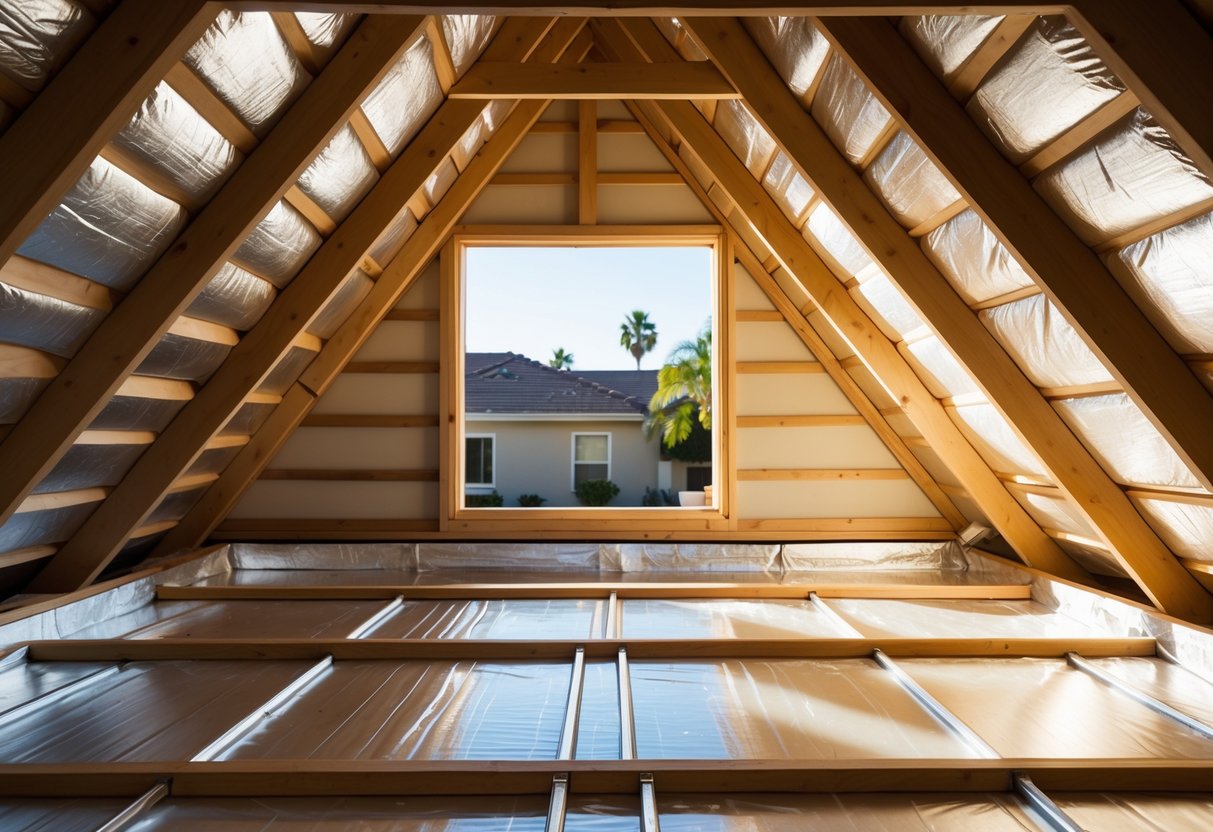
Radiant barrier insulation reflects heat away from the attic, helping reduce heat gain inside the home. In warm areas like Santa Ana, this method supports lower cooling costs and keeps indoor spaces more comfortable during long summer months.
How Radiant Barriers Work
Radiant barriers use a reflective surface, often aluminum foil, to block radiant heat transfer. Unlike fiberglass or spray foam, which slow down heat conduction, radiant barriers reflect heat before it enters the attic space.
They are usually installed under the roof decking or along rafters. This placement allows the barrier to intercept the sun’s radiant energy before it warms the attic air and insulation layers.
Effectiveness depends on proper installation. A radiant barrier requires an air gap on at least one side to function correctly. Without this gap, the reflective surface cannot bounce radiant heat back and will act more like a conductor.
In Santa Ana, where summer sunlight is strong, this reflection can reduce attic temperatures by 10–30°F. Lower attic heat means less strain on air conditioning systems and more stable indoor comfort.
Benefits of Radiant Barrier Insulation
Radiant barriers provide several measurable advantages in hot climates.
- Reduced cooling costs: By lowering attic heat, air conditioners run less often.
- Improved comfort: Rooms directly under the attic, such as upstairs bedrooms, stay cooler.
- Compatibility: Radiant barriers can work alongside fiberglass batts or spray foam for added performance.
The material is lightweight and often easier to install than bulk insulation. Homeowners may choose to install it as a retrofit without removing existing insulation.
While radiant barriers are less effective in cold climates, they perform well in regions with long, hot summers. In Santa Ana, where cooling demand is higher than heating demand, the energy savings are more noticeable.
Ideal Applications in Santa Ana Homes
Santa Ana’s climate makes radiant barrier insulation most effective in attics with direct sun exposure. Homes with asphalt shingle roofs, which absorb more heat, benefit the most from reflective barriers installed under the roof decking.
For two-story homes, radiant barriers help reduce heat buildup on upper floors. This can make a noticeable difference in comfort without heavy reliance on air conditioning.
They also work well in combination with attic ventilation. When paired with ridge vents or fans, radiant barriers support better airflow and further reduce attic heat.
In Santa Ana, installing radiant barrier insulation is especially practical during roof replacement or attic upgrades. This timing allows for easier placement and ensures the barrier performs as intended for long-term energy savings.
Attic Insulation Installation Best Practices
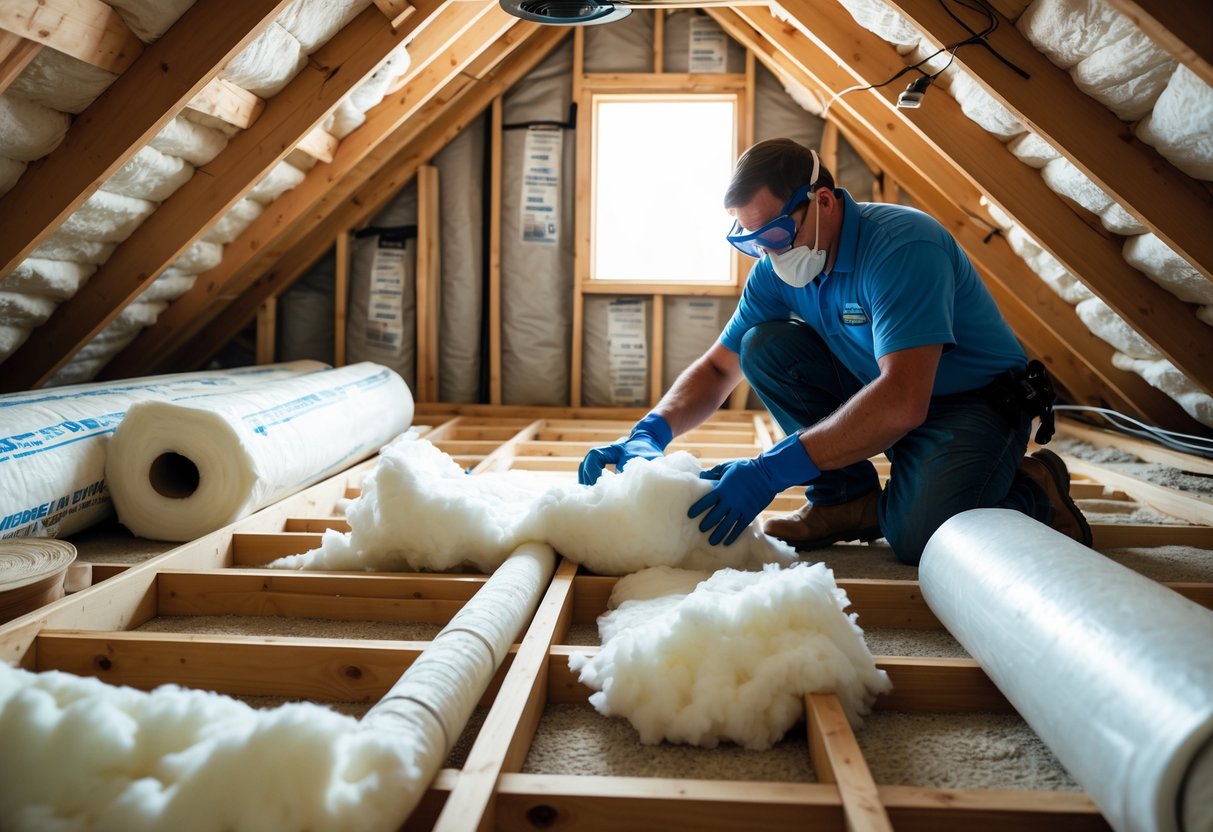
Correct attic insulation installation improves energy efficiency, prevents moisture buildup, and extends the life of heating and cooling systems. Homeowners must consider who installs the material, how the attic is prepared, and whether airflow remains balanced after the project.
Professional vs. DIY Installation
Homeowners can install batt insulation on their own, but materials like spray foam or blown-in insulation usually require professional equipment. A professional installer ensures even coverage, correct R-value, and compliance with local building codes.
DIY installation can save money but carries risks. Improper placement may leave gaps, compress insulation, or block vents. These mistakes reduce effectiveness and may lead to higher energy bills.
Professionals also handle safety concerns. Fiberglass can irritate skin and lungs, while spray foam involves chemicals that need protective gear and proper ventilation.
When comparing costs, labor adds to the price of professional work, but the result often improves long-term performance. Homeowners should weigh upfront savings against the risk of having to redo the job later.
Quick Comparison:
| Option | Pros | Cons |
|---|---|---|
| DIY | Lower cost, flexible timing | Risk of mistakes, safety concerns |
| Professional | Proper tools, expert results | Higher upfront cost |
Preparing Your Attic for New Insulation
Before adding insulation, the attic must be inspected for damage. Signs of roof leaks, mold, or pest activity should be fixed first. Covering these problems with insulation will only make them harder to detect later.
Old insulation may not always need removal, but damaged or wet material should be cleared out. Professionals often recommend sealing air leaks around pipes, ducts, and recessed lighting before installing new insulation.
Electrical wiring should be checked to make sure it meets safety standards. Any exposed wires or outdated connections may require an electrician.
Homeowners should also measure insulation depth to confirm the attic meets the recommended R-value for Santa Ana’s climate zone. Adding layers on top of existing insulation is common if the material is in good condition.
Maintaining Proper Ventilation
Ventilation keeps the attic dry and prevents heat buildup. Without it, insulation can trap moisture, leading to mold, mildew, or roof damage.
Baffles or rafter vents help maintain airflow from soffit vents up to the ridge vent. This ensures insulation does not block circulation. Installing these before adding insulation makes the process easier.
Proper ventilation also balances indoor temperatures. In warm climates like Santa Ana, this reduces strain on air conditioning systems by lowering attic heat.
Homeowners should avoid covering exhaust fans, vents, or recessed lighting fixtures with insulation. These areas require clearance to prevent fire hazards and maintain airflow.
Routine checks of vents and insulation depth help confirm the system continues working as designed. Simple steps like clearing debris from soffit vents can protect insulation performance over time.
Choosing the Right Insulation for Your Santa Ana Home
Selecting attic insulation in Santa Ana depends on local weather patterns, the cost of materials, and how each home is built. Performance also varies between fiberglass, cellulose, and spray foam, so homeowners should compare efficiency and long-term value before deciding. Professional installation can further improve results by ensuring proper fit and coverage.
Factors to Consider: Climate, Budget, and Home Design
Santa Ana’s warm climate means insulation must block heat from entering the home as much as it keeps indoor air from escaping. Materials with good thermal resistance, like spray foam or blown-in fiberglass, help stabilize indoor temperatures during long, hot summers.
Budget often guides the choice. Fiberglass batts are usually the most affordable, while spray foam costs more but can reduce energy bills for decades. Homeowners should weigh upfront expenses against expected savings.
Home design also plays a role. Older houses with irregular attic spaces benefit from loose-fill insulation, which can reach small gaps. Newer homes with open attics may use batts or rolls more effectively. Matching the insulation type to the attic’s structure ensures better coverage and efficiency.
Comparing Insulation Performance
Different insulation types vary in R-value, which measures resistance to heat flow. Higher R-values provide stronger insulation, but the right level depends on climate and budget.
- Fiberglass Batts: Inexpensive, easy to install, but less effective in tight corners.
- Cellulose: Eco-friendly and good for sealing air leaks, though it may settle over time.
- Loose-Fill Fiberglass: Fills gaps well, but requires special equipment.
- Spray Foam: Creates an airtight seal, long-lasting, but higher in cost.
For Santa Ana homes, blown-in fiberglass or cellulose often works well because they cover gaps and resist heat transfer. Spray foam offers the best performance but is usually chosen when long-term efficiency outweighs initial costs.
Working With Local Insulation Contractors
Professional attic insulation installation helps avoid common problems like gaps, uneven coverage, or compressed batts. Local contractors in Santa Ana understand how the region’s heat and dry conditions affect insulation performance.
They can recommend the right material based on attic layout, budget, and energy goals. Many also provide guidance on ventilation and moisture control, which are important for maintaining insulation over time.
Hiring a licensed contractor also ensures compliance with building codes. This is especially important in older homes, where safety and proper installation techniques matter as much as insulation type.
Frequently Asked Questions
Attic insulation in Santa Ana must handle hot summers, mild winters, and rising energy costs. The right material, thickness, and installation method improve comfort, lower bills, and extend the life of heating and cooling systems.
What are the top insulation materials suitable for the climate in Santa Ana?
Blown-in fiberglass and cellulose are common choices because they provide good coverage and fire resistance. Spray foam is also effective since it seals air leaks and offers high R-values, though it costs more. Fiberglass batts can work but may leave gaps if not installed correctly.
How does the Santa Ana climate impact attic insulation choices?
Santa Ana has long, warm summers and cooler but mild winters. This means insulation must reduce heat gain during hot months while still preventing heat loss in the winter. Materials with an R-value between R-30 and R-38 usually perform well in this region.
What is the most cost-effective insulation option for attics in Santa Ana homes?
Blown-in fiberglass and cellulose are typically the most affordable while still meeting energy efficiency needs. They install quickly, cover irregular spaces well, and provide solid thermal performance at a lower cost compared to spray foam.
Are there any environmentally friendly attic insulation materials recommended for Santa Ana?
Cellulose insulation is often considered the most eco-friendly option. It is made from recycled paper products and treated for fire resistance. Some fiberglass products also use recycled glass, making them another environmentally conscious choice.
How often should attic insulation be replaced in Santa Ana residences?
Most attic insulation lasts 15 to 20 years if kept dry and undisturbed. In Santa Ana, replacement may be needed sooner if insulation becomes compressed, damaged by pests, or affected by moisture. Regular inspections help determine when upgrades are necessary.
What are the benefits of using radiant barriers in Santa Ana attic insulation?
Radiant barriers reflect heat away from the attic, which reduces cooling demand during hot summers. They work best when combined with standard insulation materials rather than used alone. This helps keep indoor temperatures more stable and lowers air conditioning costs.