

Many older bungalows in Santa Ana have charm and history, but they often struggle with comfort and high energy bills. Thin walls, gaps, and outdated insulation make it difficult to keep indoor temperatures steady. Blown-in cellulose insulation fills these gaps and creates a tighter, more efficient barrier without major changes to the home’s structure.
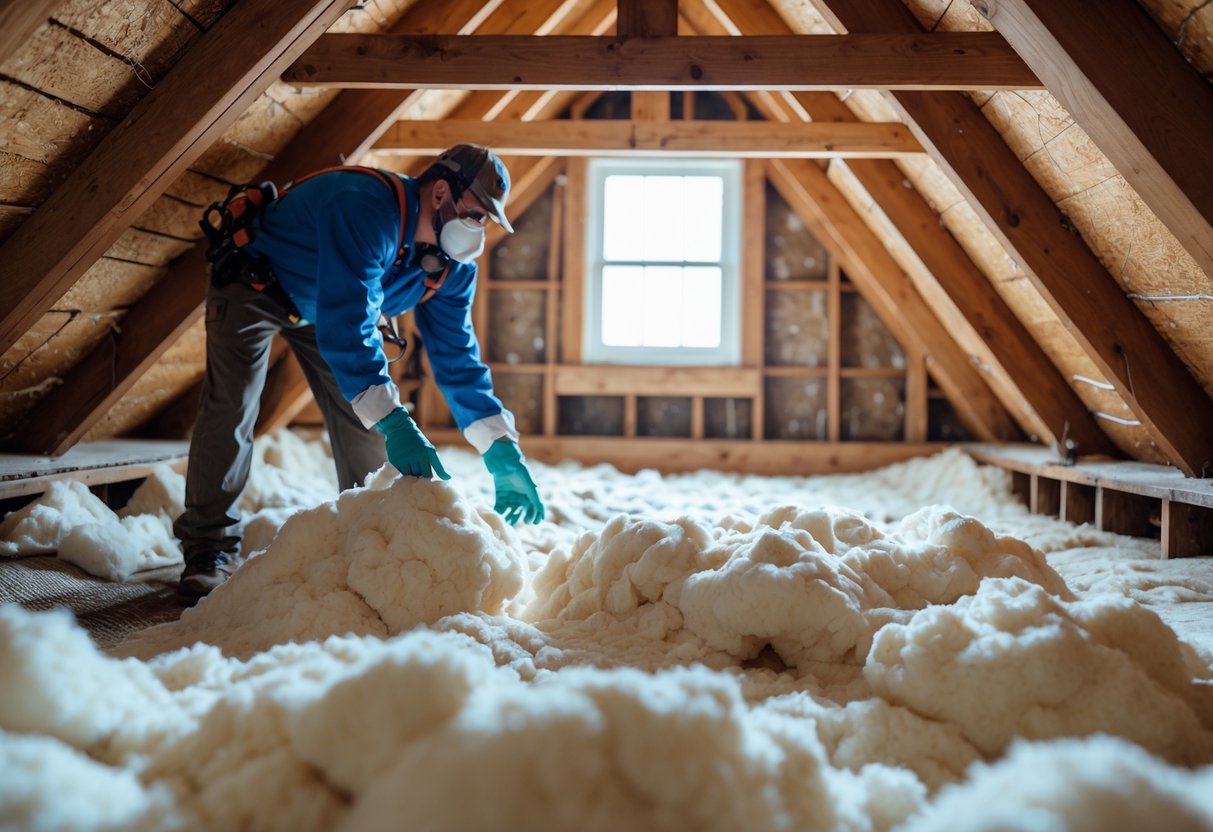
This type of insulation uses recycled paper fibers that are treated for safety and durability. When installed, it spreads evenly into wall cavities and attics, sealing small cracks that let air escape. The result is a home that stays cooler during hot Santa Ana summers and warmer during cooler nights, all while lowering energy use.
For homeowners who want to preserve the character of their bungalow while improving comfort, blown-in cellulose offers a practical solution. It adapts well to older construction, helps reduce noise, and provides long-lasting performance that supports both comfort and cost savings.
Key Takeaways
- Blown-in cellulose improves comfort in older homes by sealing gaps.
- It reduces energy use and helps lower utility bills.
- The installation process works well with the structure of older bungalows.
How Blown-In Cellulose Insulation Transforms Older Santa Ana Bungalows

Blown-in cellulose insulation offers a practical way to improve comfort, reduce drafts, and control energy bills in older bungalows. It adapts well to the unique challenges of vintage homes, providing better coverage without disturbing the home’s original character.
Enhancing Comfort in Vintage Homes
Many older Santa Ana bungalows were built with little or no insulation. As a result, indoor temperatures often fluctuate with the weather, making summers hot and winters uncomfortable. Blown-in cellulose insulation fills wall cavities and attics, creating a more stable indoor environment.
Unlike batt insulation, cellulose can be installed around wiring and framing with fewer gaps. This ensures more consistent coverage. Homeowners notice fewer temperature swings and less reliance on heating or cooling systems.
Better insulation also helps reduce noise transfer between rooms and from outside. For homes located on busy streets, this added sound control can make a noticeable difference. Comfort improves not only through temperature regulation but also through a quieter indoor space.
Maintaining Architectural Character
Preserving the charm of older homes is important to many bungalow owners. Traditional insulation upgrades often require removing plaster or altering original woodwork, which can damage historic details. Blown-in cellulose insulation avoids much of this disruption.
Installers usually drill small holes in discreet locations, such as behind siding or in attic spaces. Once the insulation is blown in, the holes are sealed, leaving the home’s appearance unchanged. This process allows homeowners to upgrade performance without sacrificing character.
Because cellulose is made from recycled paper treated for fire resistance, it also appeals to owners who value sustainable materials. The upgrade blends efficiency with respect for the home’s original design.
Sealing Drafts and Eliminating Cold Spots
Drafts are a common issue in older bungalows, especially around walls, attics, and crawl spaces. These gaps let conditioned air escape and force heating and cooling systems to work harder. Blown-in cellulose insulation helps seal these spaces by filling in cracks and small gaps that other insulation types often miss.
By reducing air leakage, cellulose insulation lowers energy bills and makes rooms feel more evenly heated or cooled. Homeowners experience fewer cold spots in winter and less heat intrusion in summer.
The dense packing of cellulose also slows airflow within walls, adding another layer of protection against drafts. This makes the home more efficient and comfortable year-round.
Energy Efficiency and Cost Savings
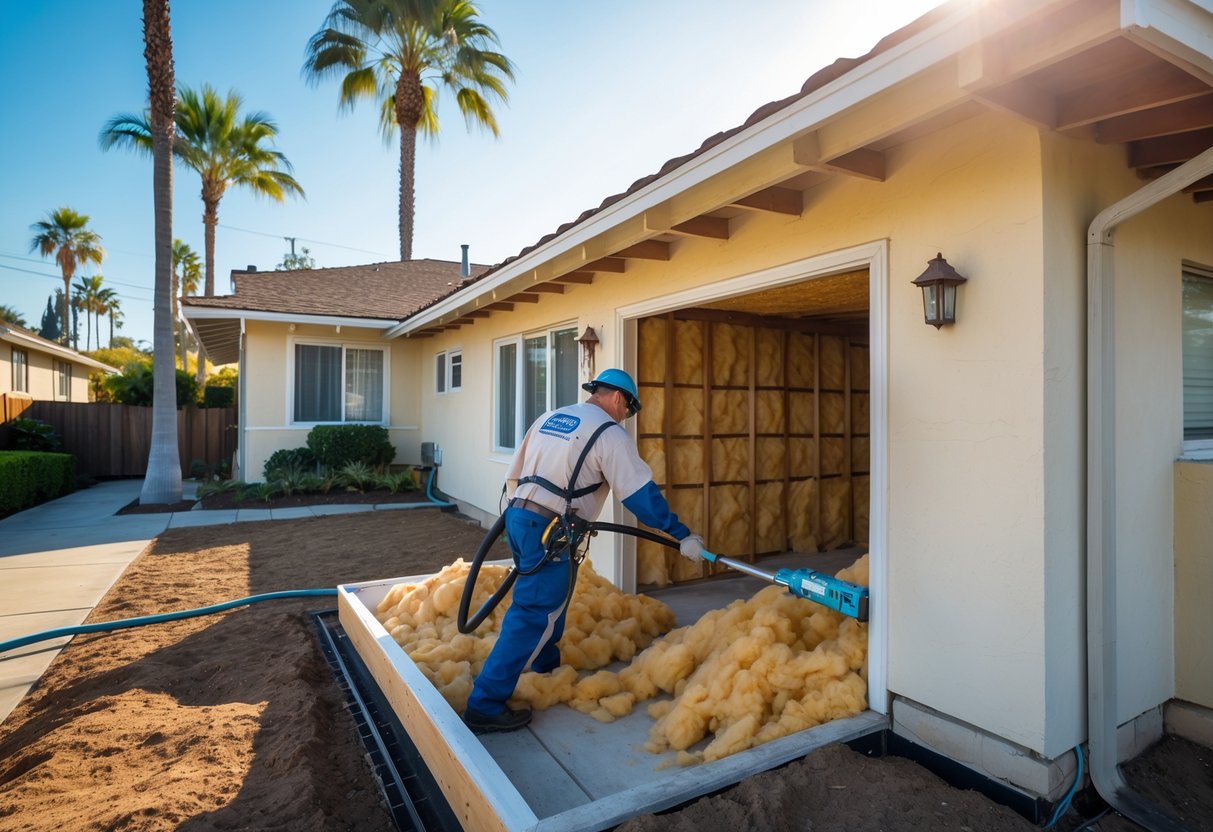
Blown-in cellulose helps older Santa Ana bungalows maintain steadier indoor temperatures, reduce wasted energy, and cut utility expenses. Its dense coverage fills gaps in walls and attics, improving insulation performance while also lowering a home’s environmental impact.
Reducing Heating and Cooling Costs
Many bungalows built decades ago lack proper insulation, which allows heat to escape in winter and enter during summer. Blown-in cellulose has an R-value of about 3.5 per inch, offering strong thermal resistance compared to older materials.
By filling small gaps and hard-to-reach spaces, cellulose reduces drafts and air leaks. This tighter seal means heating systems run less in cooler months, and air conditioners cycle less during hot Santa Ana summers.
The result is more consistent indoor comfort with fewer temperature swings. For older homes that often struggle with uneven heating and cooling, this upgrade provides noticeable relief without major structural changes.
Lowering Energy Bills Over Time
Because heating and cooling make up the largest share of household energy use, improving insulation directly lowers monthly costs. Homeowners who install blown-in cellulose often see energy bills drop by 15–20%, depending on the home’s condition and energy habits.
These savings add up year after year. While installation has an upfront cost, the payback period is often within a few years, especially in climates with both hot summers and cool winters.
Unlike fiberglass batts that may leave gaps, dense cellulose coverage ensures fewer cold spots and less wasted energy. This consistent performance extends the life of HVAC systems since they run less often to maintain desired temperatures.
Impact on Carbon Footprint
Lower energy use translates into fewer greenhouse gas emissions from power plants. For older Santa Ana bungalows, this means each upgrade not only saves money but also reduces the home’s carbon footprint.
Cellulose insulation is made from up to 85% recycled paper products, using less energy to produce than many alternatives. This makes it both an energy-efficient and environmentally responsible choice.
By combining reduced utility demand with sustainable materials, blown-in cellulose supports long-term goals for cleaner air and lower household emissions. For homeowners concerned about both costs and climate impact, this balance is a practical benefit.
The Blown-In Cellulose Insulation Process for Older Homes
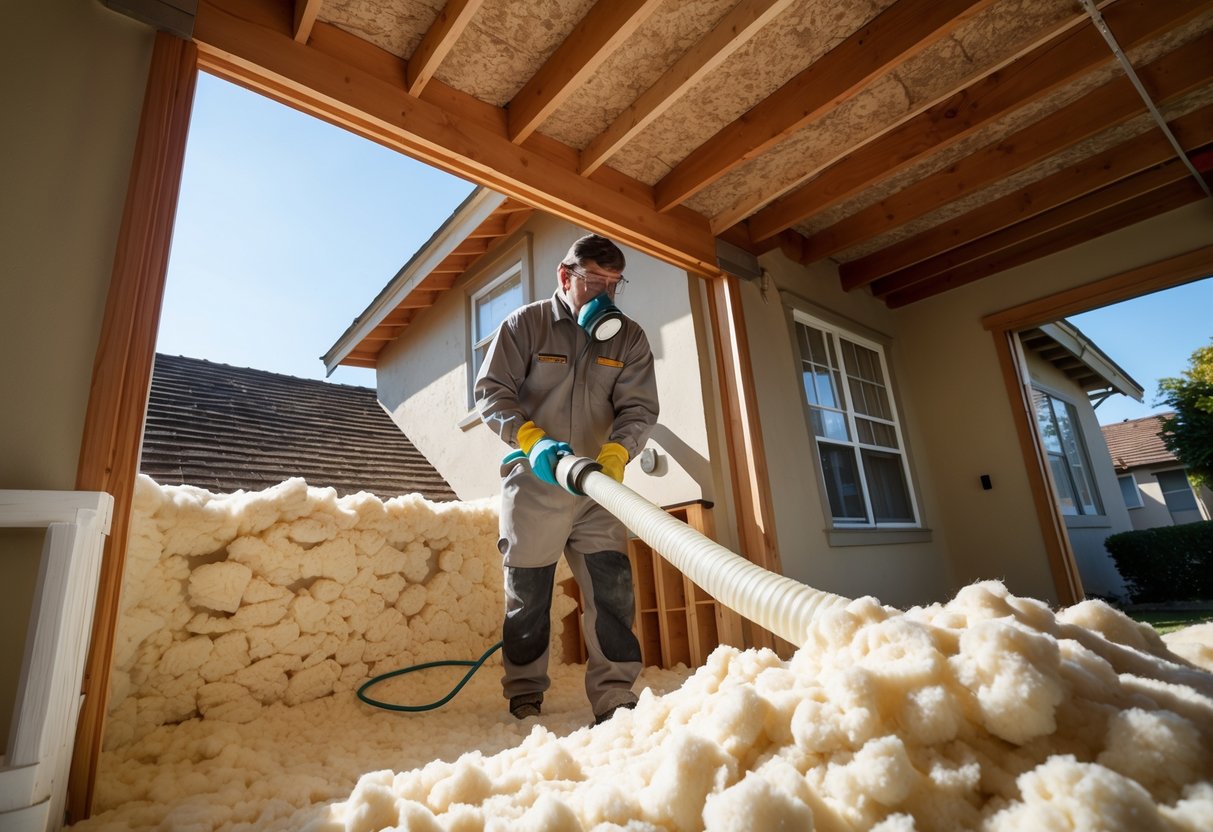
Adding blown-in cellulose insulation to older Santa Ana bungalows requires careful planning, specialized equipment, and attention to existing building conditions. The process involves inspecting the home, preparing cavities or attic spaces, installing the material, and managing the short-term disruption to daily life.
Assessment and Preparation
A contractor begins with a full inspection of the home. Older bungalows often have mixed wall materials, outdated wiring, and small attic spaces that must be evaluated before work starts.
The assessment identifies air leaks, gaps, and structural details that affect insulation coverage. Common problem areas include attics with inadequate ventilation, wall cavities with obstructions, and spaces around plumbing or electrical lines.
Preparation usually includes:
- Sealing visible air leaks around vents, pipes, and outlets
- Removing debris or damaged insulation in the attic
- Checking moisture levels to avoid trapping dampness
- Planning access points for wall cavities
This step ensures the insulation process goes smoothly and that the cellulose will perform as intended.
Installation Steps and Techniques
The installation uses a blowing machine that shreds and blows cellulose fibers through a hose. For attic insulation, the material is spread evenly across the floor to the required depth, creating a uniform thermal layer.
In wall cavities, small holes are drilled between studs, often from the exterior siding or interior plaster. A nozzle is inserted, and cellulose is blown in until the cavity is fully packed. The holes are then sealed and patched.
Installers monitor density to prevent settling, which is critical in older homes with irregular framing. Cellulose naturally conforms to obstructions, filling gaps around pipes and wires that batts or rigid insulation might miss.
Typical Timeline and Disruption
The timeline depends on the size of the bungalow and whether both walls and attic insulation are included. A single attic can often be completed in half a day, while full wall and attic insulation may take one to two days.
Disruption to daily life is usually minimal. Homeowners can stay in the house during the process, though some noise from drilling and blowing equipment should be expected.
Dust is controlled with vacuum systems and protective coverings. Installers typically clean up patch areas and restore surfaces, leaving only minor cosmetic touch-ups for the homeowner.
Comparing Blown-In Cellulose to Other Insulation Types
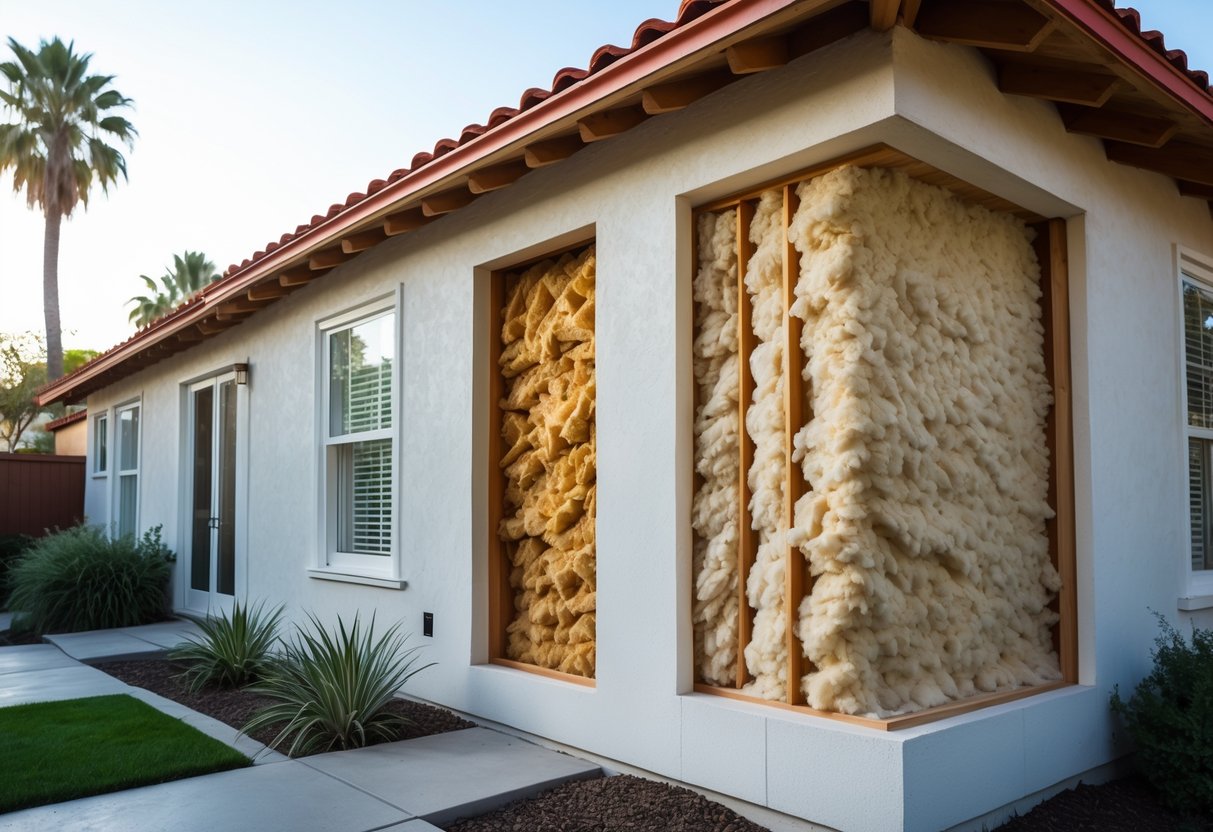
Blown-in cellulose insulation offers strong thermal performance, good soundproofing, and eco-friendly qualities. Other options like fiberglass and spray foam differ in cost, R-value, and installation method, which can affect how well they work in older homes with irregular wall cavities and unique structural needs.
Blown-In Cellulose vs. Fiberglass Insulation
Fiberglass insulation, often installed as loose-fill or fiberglass batts, is one of the most common alternatives. It is lightweight, non-combustible, and usually less expensive upfront than cellulose. Many homeowners choose fiberglass for attics because it is widely available and easy to install.
Cellulose, however, tends to provide better air sealing in older bungalows. Its dense fibers settle into cracks and small gaps more effectively than fiberglass. This tighter fit reduces drafts and helps stabilize indoor temperatures.
When comparing sound control, cellulose usually outperforms fiberglass. The heavier material dampens street noise and interior sound transfer. In Santa Ana’s older homes, this can make a noticeable difference in comfort.
Cost is another factor. Fiberglass often costs less per square foot, but cellulose may deliver greater long-term savings through improved efficiency and reduced heating and cooling demands.
Blown-In Cellulose vs. Spray Foam Insulation
Spray foam insulation is known for its high R-value and excellent air sealing properties. It expands to fill cavities and can create a near-airtight barrier. This makes it effective in climates with wide temperature swings.
Cellulose does not expand like spray foam, but it still fills wall cavities well. It is also less expensive, often costing half as much per square foot. For older Santa Ana bungalows, this cost difference can be significant when insulating large areas.
Spray foam can sometimes trap moisture if not applied correctly, which may be a concern in older homes with less modern ventilation. Cellulose, especially treated products like Nu-Wool cellulose, is designed to resist mold and moisture damage.
Another difference is installation. Spray foam requires professional handling due to chemical application, while cellulose can be installed with simpler equipment. This makes cellulose a more practical choice for retrofits in existing walls and attics.
Performance and R-Value Differences
R-value measures how well insulation resists heat flow. Blown-in cellulose typically rates around R-3.2 to R-3.8 per inch, while loose-fill fiberglass averages R-2.2 to R-2.7 per inch. This means cellulose delivers more insulation per inch of depth.
Spray foam insulation provides even higher R-values, often R-6 to R-7 per inch for closed-cell types. However, the higher cost per square foot can limit its use in larger projects.
For older Santa Ana bungalows with shallow wall cavities, cellulose’s higher R-value per inch is a practical advantage. It allows homeowners to achieve better thermal resistance without major renovations.
Fiberglass batts, while affordable, can leave gaps around irregular framing common in older homes. Cellulose adapts more easily to uneven wall spaces, reducing cold spots and improving overall coverage.
Environmental Considerations
Cellulose insulation is often made from up to 85% recycled paper, making it one of the most sustainable insulation options. Products like Nu-Wool cellulose highlight this eco-friendly approach, using recycled content and added fire retardants for safety.
Fiberglass also contains recycled glass but usually at lower percentages. It is durable and non-combustible, but its manufacturing process requires more energy compared to cellulose.
Spray foam insulation is made from petrochemicals and has a higher environmental footprint. While it offers strong performance, it is less sustainable and harder to remove or recycle if future renovations are needed.
For homeowners in older Santa Ana bungalows, cellulose provides a balance of performance and sustainability. Its recycled content, lower energy use in production, and natural soundproofing qualities make it a practical choice for both comfort and environmental responsibility.
Special Considerations for Santa Ana Bungalows
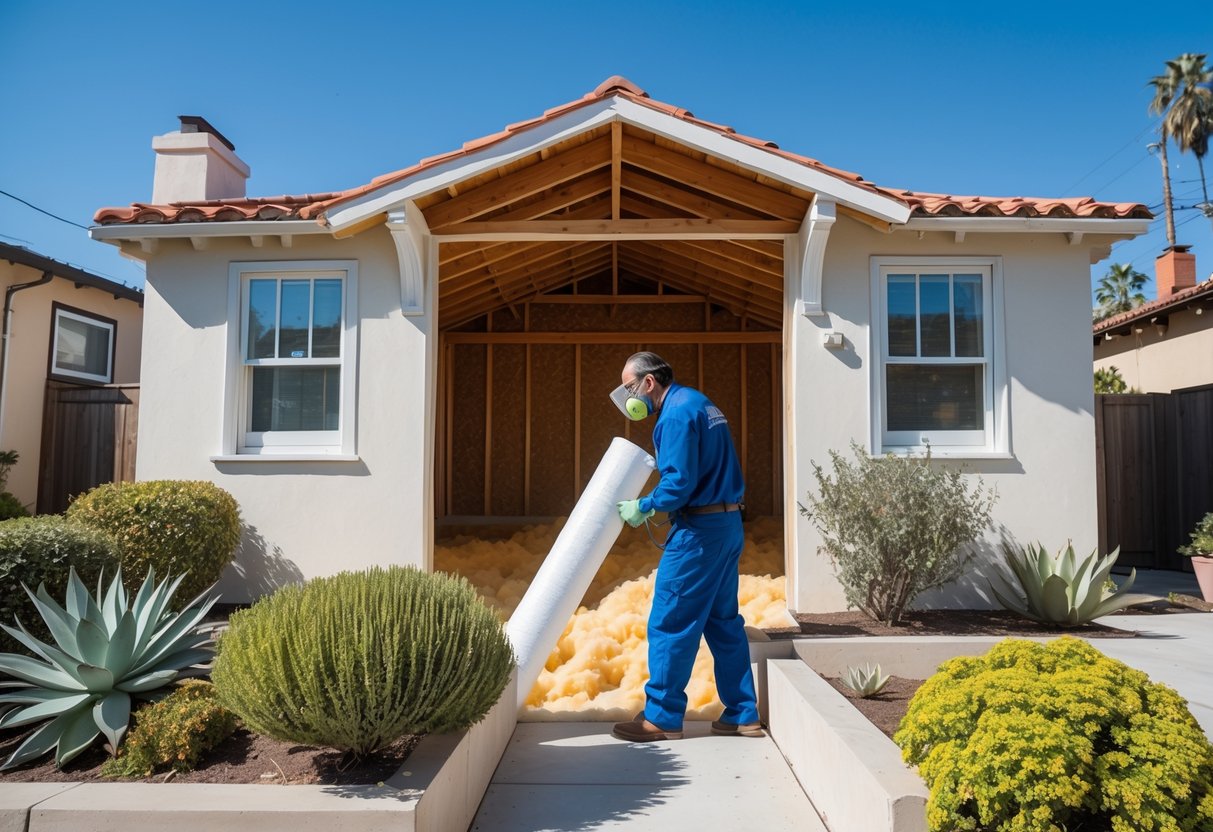
Older bungalows in Santa Ana often have features that make insulation projects more complex. Narrow wall cavities, mixed building materials, and warm local weather all affect how blown-in cellulose insulation performs and how it should be installed.
Addressing Unique Architectural Features
Many Santa Ana bungalows were built in the early to mid-1900s. These homes often include plaster walls, wood framing, and small attic spaces. Such details can limit access for modern insulation equipment.
Installers typically drill small holes in wall cavities to place blown-in cellulose insulation. Care must be taken to avoid damaging original finishes, especially in homes with lath and plaster walls. Using the correct nozzle size ensures the material fills gaps without creating bulges.
Attic insulation also requires attention. Some bungalows have low-pitched roofs with limited headroom, making it harder to spread insulation evenly. In these cases, installers may rely on flexible hoses to reach tight corners and ensure consistent coverage.
Historic trim and built-in features around windows and doors can hide gaps where air leaks occur. Blown-in cellulose helps seal these areas, but a careful inspection is needed first to avoid blocking ventilation or damaging woodwork.
Dealing with Existing Insulation
Older homes often contain outdated insulation, such as mineral wool, vermiculite, or thin fiberglass batts. These materials lose effectiveness over time, leaving gaps and uneven coverage. Before adding blown-in cellulose insulation, it is important to evaluate what is already in place.
In attics, old insulation may need to be leveled or removed if it is compacted or contaminated. For wall cavities, cellulose can usually be installed over existing insulation as long as voids remain. Installers use dense-pack methods to reduce settling and improve thermal resistance.
Moisture is another concern. If older insulation shows signs of water damage, it should be removed to prevent mold. Proper air sealing around vents, pipes, and chimneys is also important before adding new material. This ensures the new insulation performs as intended and does not trap moisture.
Choosing the Right Insulation for Local Climate
Santa Ana’s climate is warm and dry, with hot summers and mild winters. Insulation should focus on keeping indoor temperatures stable without trapping excess heat. Blown-in cellulose insulation provides good thermal resistance, with an R-value of about 3.2 to 3.8 per inch.
Unlike fiberglass, cellulose is denser and better at reducing air movement. This helps control heat gain in summer and heat loss in winter. It also offers soundproofing benefits, which can be useful in neighborhoods with close-set homes.
Attic insulation plays a major role in comfort. Cellulose spreads evenly across the attic floor, reducing hot spots and lowering cooling costs. In wall cavities, its ability to fill around wiring and pipes makes it more effective than batts in older framing.
Because the local climate rarely requires vapor barriers, cellulose can often be installed without one. However, proper attic ventilation remains important to prevent heat buildup and extend the life of the roof.
Frequently Asked Questions
Blown-in cellulose insulation can make older bungalows more efficient, quieter, and safer without major structural changes. It offers solid performance in energy savings, sound control, and fire resistance while also fitting the climate needs of Santa Ana homes.
What are the energy efficiency benefits of using blown-in cellulose in older homes?
Blown-in cellulose fills small gaps and irregular spaces in attics and walls, reducing air leaks that often waste energy in older houses. By improving coverage, it helps stabilize indoor temperatures and lowers heating and cooling costs.
How does blown-in cellulose insulation compare to other types of insulation for historic properties?
Cellulose is less invasive than rigid foam or batt insulation because it can be added through small openings without removing walls. It also uses mostly recycled materials, making it a practical and eco-friendly choice for preserving historic structures.
Can blown-in cellulose improve the soundproofing of my Santa Ana bungalow?
Yes. Its dense fibers absorb sound, which helps reduce noise between rooms and from outside traffic. This makes it especially useful in older homes with thinner walls or less insulation.
What is the typical lifespan of blown-in cellulose insulation in a residential setting?
When installed correctly and kept dry, blown-in cellulose usually lasts 20 to 30 years. Its performance remains steady over time, though periodic inspections every few years help ensure it stays in good condition.
Is blown-in cellulose a fire hazard, and how is it treated to be fire-resistant?
Blown-in cellulose is treated with non-toxic fire retardants, often borates, that give it a Class 1 Fire Rating. This treatment helps slow the spread of flames and makes it safer than untreated natural materials.
Are there any special considerations for installing blown-in cellulose in a Santa Ana climate?
Santa Ana’s hot, dry weather means attic ventilation should be checked before installation to prevent heat buildup. Moisture is less of a concern than in wetter regions, but installers still need to confirm that wall cavities and attic spaces are dry before adding insulation.